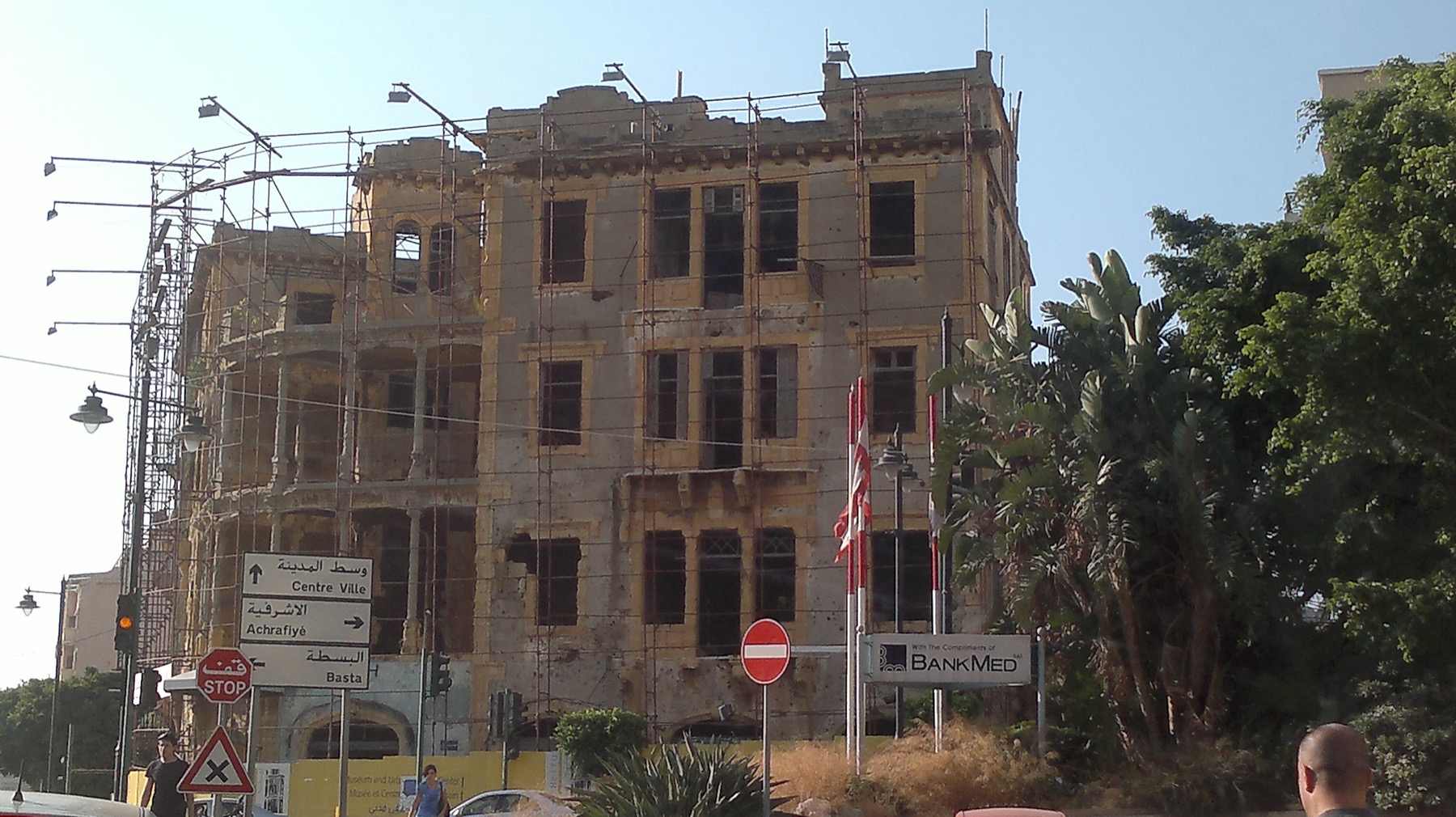
1975 to 1990
Lebanon, Civil War and Taif Agreement
Christian and Muslim communities were part of a wider struggle over power sharing, security and national identity. The Taif Agreement helped end the war by changing how political power was divided.
Religious conflict and reconciliation
This website investigates three real events where Christian and Muslim communities were drawn into violence, then shows how dialogue, agreements and courageous leadership helped repair relationships.
Main argument
The evidence shows that conflict becomes more dangerous when religion is mixed with political power, fear, revenge and unfair systems. Reconciliation becomes possible when people are willing to rebuild trust through honest dialogue and public commitments.
That means a strong answer should not blame a whole religion. It should explain the causes of conflict, then show what people actually did to move toward peace.
The evidence base
1975 to 1990
Christian and Muslim communities were part of a wider struggle over power sharing, security and national identity. The Taif Agreement helped end the war by changing how political power was divided.
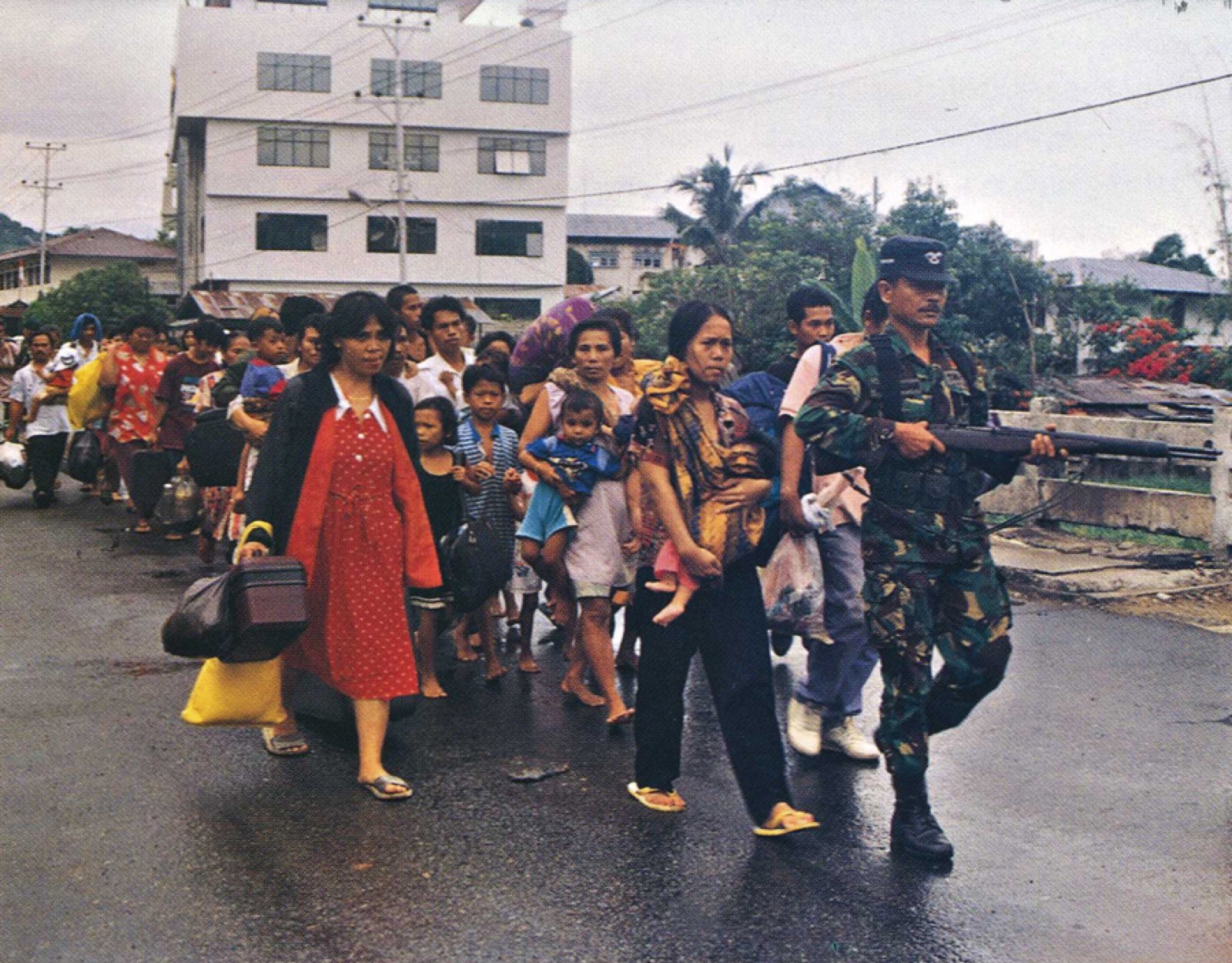
1999 to 2002
Violence in Maluku was often described as Christian against Muslim, but local tensions, weak security and fear helped it spread. Malino II gave both sides a formal path to stop fighting.
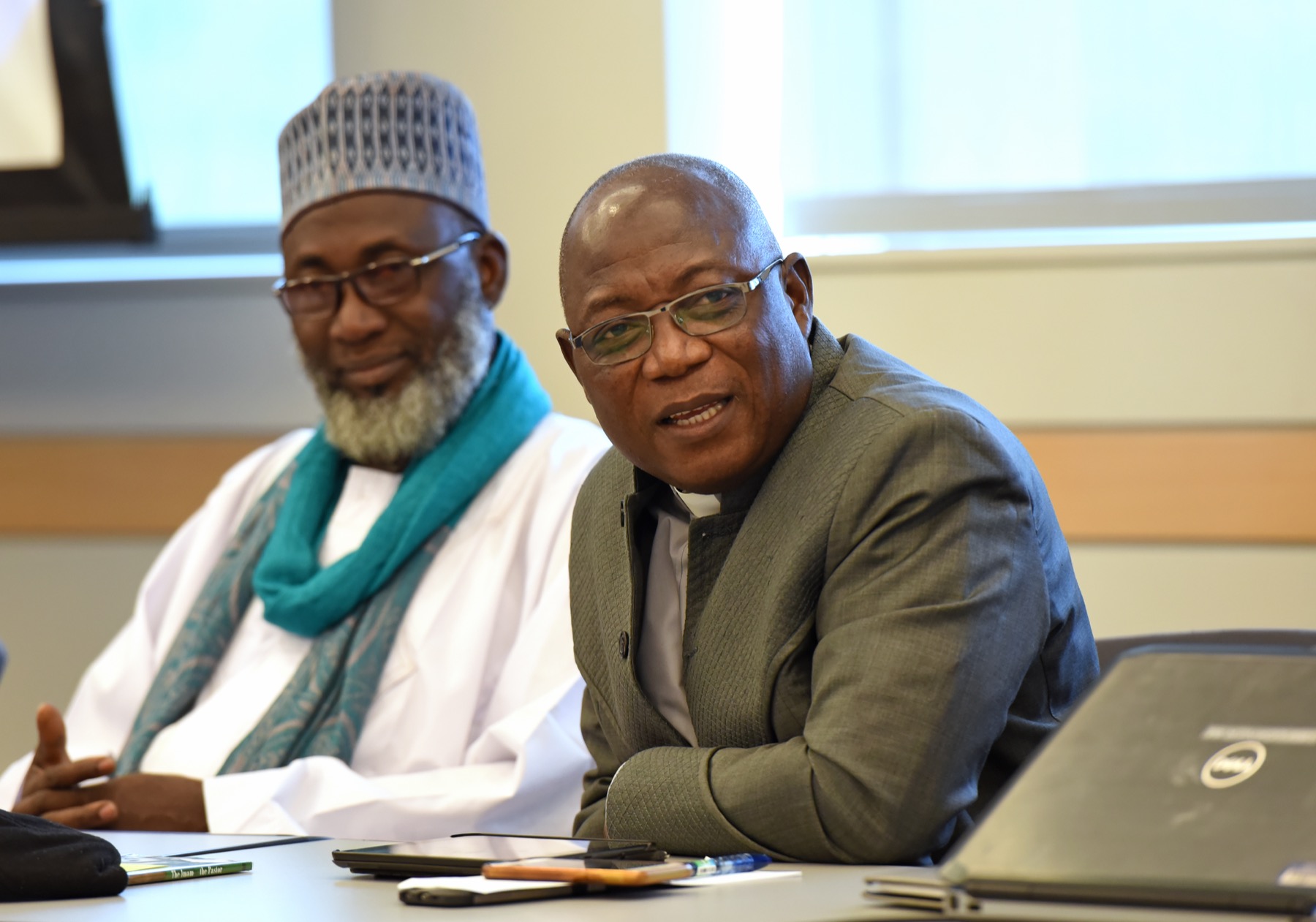
1990s to 2000s
Pastor James Wuye and Imam Muhammad Ashafa had both been harmed by religious violence. Their later partnership shows reconciliation at a personal and community level.
“Blessed are the peacemakers.”
Matthew 5:9, New International Version
“So that you may know one another.”
Quran 49:13, Sahih International translation