Three turning points that show conflict and reconciliation.
These are not random examples. Each one has a conflict phase and a reconciliation phase, so they directly answer the task.
1975 to 1990
Lebanese Civil War and the Taif Agreement
Lebanon had a political system that divided power between religious communities. Over time, demographic change, armed groups, regional politics and foreign involvement made the system unstable. Christian and Muslim communities were pulled into a violent civil war.
Reconciliation marker: In 1989, the Taif Agreement changed the balance of political power and helped create a pathway to end the war in 1990.
Why it matters: It shows that peace needs fair institutions, not only people saying they want peace.
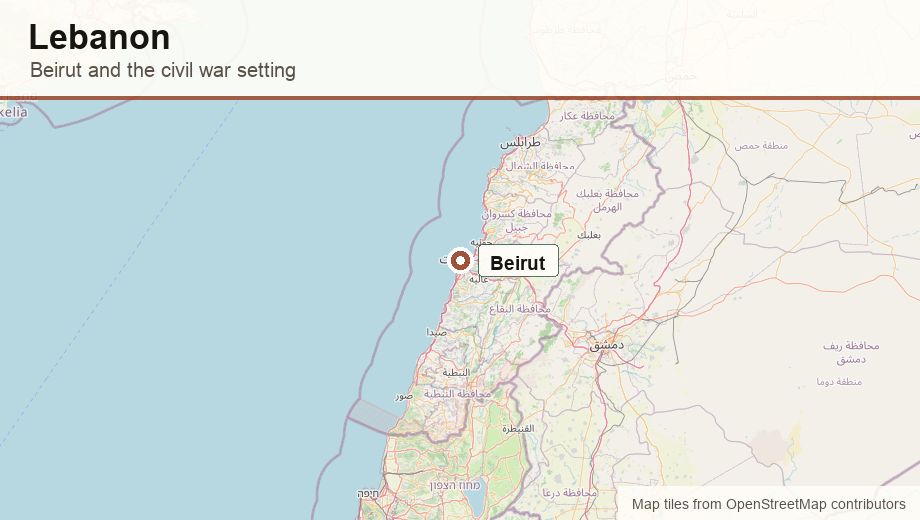
Map location: Beirut, Lebanon. The civil war affected the whole country, with Beirut as a major centre of fighting.
1999 to 2002
Maluku Conflict and the Malino II Agreement
In Maluku, violence between Christian and Muslim communities spread after local disputes became attached to religious identity. Rumours, revenge and weak security made the conflict harder to stop.
Reconciliation marker: In February 2002, Christian and Muslim delegates signed the Malino II Agreement. It called for an end to violence, the return of displaced people and stronger security.
Why it matters: It shows that reconciliation works best when dialogue becomes a public commitment that both sides can be held to.
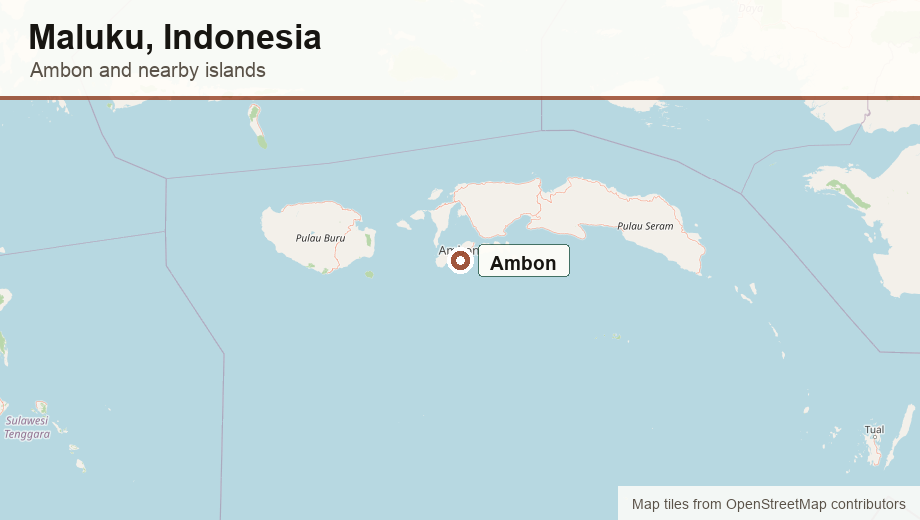
Map location: Ambon and the Maluku Islands, Indonesia. The conflict spread across nearby Christian and Muslim communities.
1990s to 2000s
Northern Nigeria and the Interfaith Mediation Centre
Violence in areas such as Kaduna, Yelwa and Shendam showed how religious identity can be connected to fear, revenge and local political pressure. Pastor James Wuye and Imam Muhammad Ashafa had both been personally affected by the conflict.
Reconciliation marker: Wuye and Ashafa later worked together through the Interfaith Mediation Centre to help Christian and Muslim communities talk, forgive and rebuild trust.
Why it matters: It shows that reconciliation is not only a signed agreement. It can also be carried by people who choose to change their own story.
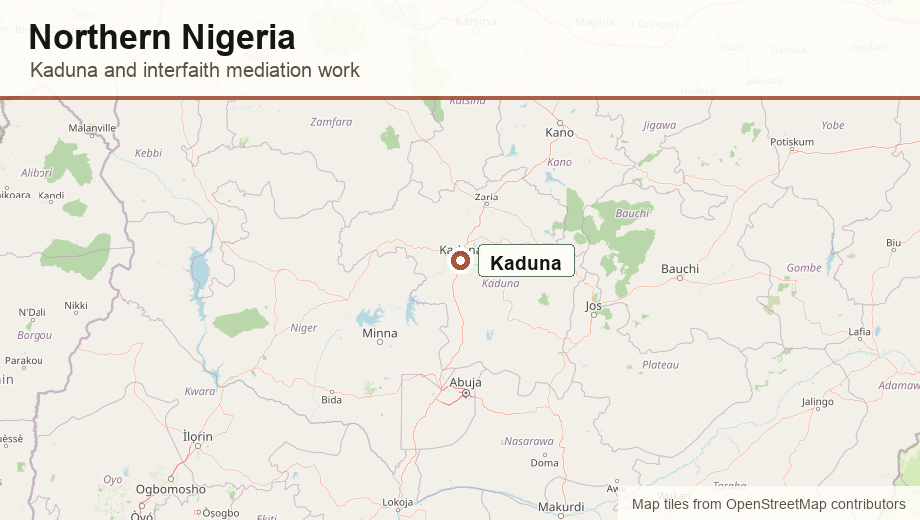
Map location: Kaduna, northern Nigeria. Wuye and Ashafa's peace work is linked to Christian and Muslim communities in this region.